Researching Tomorrow's Spatial Perception and Intelligence

Researching Tomorrow's Spatial Perception and Intelligence

We explore how AI can natively perceive, reason, and interact within volumetric environments, bridging computer vision, spatial cognition, and immersive computing.

Our Team

Huidong Bai

Senior Research Fellow

Dr. Huidong Bai is a Senior Research Fellow at the Empathic Computing Laboratory (ECL) established within the Auckland Bioengineering Institute (ABI, University of Auckland). His areas of research include exploring remote collaborative Mixed Reality (MR) interfaces with spatial scene reconstruction and segmentation, as well as integrating empathic sensing and computing into the collaboration system to enhance shared communication cues. Before joining the ECL, he was a Postdoctoral Fellow at the Human Interface Technology Laboratory New Zealand (HIT Lab NZ, University of Canterbury) and focused on multimodal natural interaction for mobile and wearable Augmented Reality (AR). Dr. Bai received his Ph.D. from the HIT Lab NZ in 2016, supervised by Prof. Mark Billinghurst and Prof. Ramakrishnan Mukundan. During his Ph.D., he was also a software engineer intern in the Vuforia team at Qualcomm in 2013 for developing a mobile AR teleconferencing system, and has been an engineering director in a start-up, Envisage AR since 2015 for developing industrial MR/AR applications.

Huidong Bai

Senior Research Fellow

Dr. Huidong Bai is a Senior Research Fellow at the Empathic Computing Laboratory (ECL) established within the Auckland Bioengineering Institute (ABI, University of Auckland). His areas of research include exploring remote collaborative Mixed Reality (MR) interfaces with spatial scene reconstruction and segmentation, as well as integrating empathic sensing and computing into the collaboration system to enhance shared communication cues. Before joining the ECL, he was a Postdoctoral Fellow at the Human Interface Technology Laboratory New Zealand (HIT Lab NZ, University of Canterbury) and focused on multimodal natural interaction for mobile and wearable Augmented Reality (AR). Dr. Bai received his Ph.D. from the HIT Lab NZ in 2016, supervised by Prof. Mark Billinghurst and Prof. Ramakrishnan Mukundan. During his Ph.D., he was also a software engineer intern in the Vuforia team at Qualcomm in 2013 for developing a mobile AR teleconferencing system, and has been an engineering director in a start-up, Envisage AR since 2015 for developing industrial MR/AR applications.

Huidong Bai

Senior Research Fellow

Dr. Huidong Bai is a Senior Research Fellow at the Empathic Computing Laboratory (ECL) established within the Auckland Bioengineering Institute (ABI, University of Auckland). His areas of research include exploring remote collaborative Mixed Reality (MR) interfaces with spatial scene reconstruction and segmentation, as well as integrating empathic sensing and computing into the collaboration system to enhance shared communication cues. Before joining the ECL, he was a Postdoctoral Fellow at the Human Interface Technology Laboratory New Zealand (HIT Lab NZ, University of Canterbury) and focused on multimodal natural interaction for mobile and wearable Augmented Reality (AR). Dr. Bai received his Ph.D. from the HIT Lab NZ in 2016, supervised by Prof. Mark Billinghurst and Prof. Ramakrishnan Mukundan. During his Ph.D., he was also a software engineer intern in the Vuforia team at Qualcomm in 2013 for developing a mobile AR teleconferencing system, and has been an engineering director in a start-up, Envisage AR since 2015 for developing industrial MR/AR applications.

Derek Xia

Postdoctoral Fellow

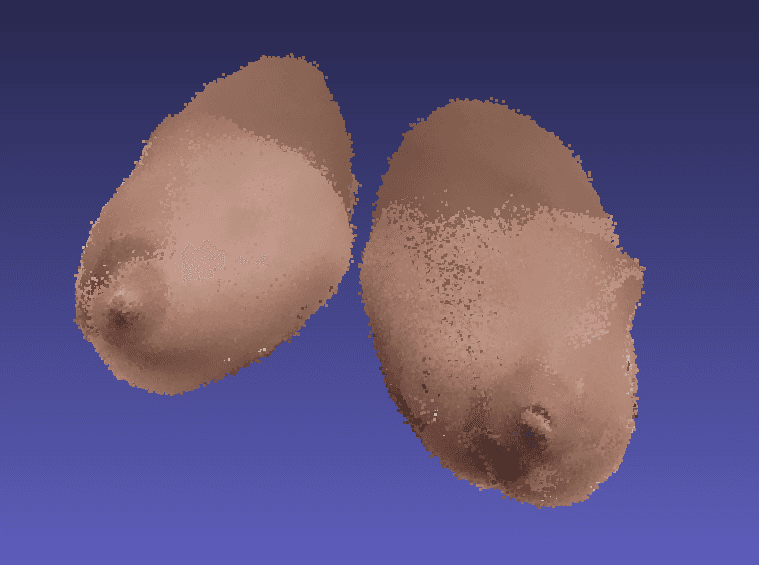
Dr.Luyao Xia is a Postdoctoral Fellow at the Auckland Bioengineering Institute, working in artificial intelligence, computer vision, and 3D spatial computing. His research focuses on multimodal perception and modelling, including 3D segmentation, graph-based representation learning, and mixed-reality interaction for biomedical applications. He works on developing computational methods that link RGB-D sensing, geometric understanding, and real-time spatial inference to support surgical planning and physiological monitoring. His current work investigates the integration of 3D breast-tissue modelling, deformable spatial understanding, and agentic AI frameworks, with an emphasis on reliable algorithms, system-level deployment, and data-driven evaluation in clinical contexts.

Derek Xia

Postdoctoral Fellow

Dr.Luyao Xia is a Postdoctoral Fellow at the Auckland Bioengineering Institute, working in artificial intelligence, computer vision, and 3D spatial computing. His research focuses on multimodal perception and modelling, including 3D segmentation, graph-based representation learning, and mixed-reality interaction for biomedical applications. He works on developing computational methods that link RGB-D sensing, geometric understanding, and real-time spatial inference to support surgical planning and physiological monitoring. His current work investigates the integration of 3D breast-tissue modelling, deformable spatial understanding, and agentic AI frameworks, with an emphasis on reliable algorithms, system-level deployment, and data-driven evaluation in clinical contexts.

Derek Xia

Postdoctoral Fellow

Dr.Luyao Xia is a Postdoctoral Fellow at the Auckland Bioengineering Institute, working in artificial intelligence, computer vision, and 3D spatial computing. His research focuses on multimodal perception and modelling, including 3D segmentation, graph-based representation learning, and mixed-reality interaction for biomedical applications. He works on developing computational methods that link RGB-D sensing, geometric understanding, and real-time spatial inference to support surgical planning and physiological monitoring. His current work investigates the integration of 3D breast-tissue modelling, deformable spatial understanding, and agentic AI frameworks, with an emphasis on reliable algorithms, system-level deployment, and data-driven evaluation in clinical contexts.

Yohannes Taye

PhD Student

Yohannes earned his master’s degree in VR and 3D Reconstruction . He then spent several years in industry as a software engineer in the 3D reconstruction industry, building computer vision algorithms for indoor scene reconstruction, developing real-time and offline reconstruction algorithms for film/VFX applications, and contributing to platforms for managing and streaming real-world 3D data.

For his PhD, Yohannes will explore real-time deformable registration algorithms and their use in mixed-reality–enabled preoperative surgical planning.

Yohannes Taye

PhD Student

Yohannes earned his master’s degree in VR and 3D Reconstruction . He then spent several years in industry as a software engineer in the 3D reconstruction industry, building computer vision algorithms for indoor scene reconstruction, developing real-time and offline reconstruction algorithms for film/VFX applications, and contributing to platforms for managing and streaming real-world 3D data.

For his PhD, Yohannes will explore real-time deformable registration algorithms and their use in mixed-reality–enabled preoperative surgical planning.

Yohannes Taye

PhD Student

Yohannes earned his master’s degree in VR and 3D Reconstruction . He then spent several years in industry as a software engineer in the 3D reconstruction industry, building computer vision algorithms for indoor scene reconstruction, developing real-time and offline reconstruction algorithms for film/VFX applications, and contributing to platforms for managing and streaming real-world 3D data.

For his PhD, Yohannes will explore real-time deformable registration algorithms and their use in mixed-reality–enabled preoperative surgical planning.

Charlie Gu

Master Student

Charlie Gu is a Master's student in Bioengineering at the University of Auckland, researching the accuracy and efficiency of markerless registration and tracking systems for high-precision surgical applications. His work focuses on evaluating AR technology for surgical planning and collaboration, with the goal of advancing computer vision techniques that can support surgeons in real-time procedural guidance. With a background in full-stack development, AI integration, and published research in mixed reality, Charlie brings both technical expertise and practical experience to his investigation of how immersive technologies can enhance surgical precision and workflow efficiency.

Charlie Gu

Master Student

Charlie Gu is a Master's student in Bioengineering at the University of Auckland, researching the accuracy and efficiency of markerless registration and tracking systems for high-precision surgical applications. His work focuses on evaluating AR technology for surgical planning and collaboration, with the goal of advancing computer vision techniques that can support surgeons in real-time procedural guidance. With a background in full-stack development, AI integration, and published research in mixed reality, Charlie brings both technical expertise and practical experience to his investigation of how immersive technologies can enhance surgical precision and workflow efficiency.

Charlie Gu

Master Student

Charlie Gu is a Master's student in Bioengineering at the University of Auckland, researching the accuracy and efficiency of markerless registration and tracking systems for high-precision surgical applications. His work focuses on evaluating AR technology for surgical planning and collaboration, with the goal of advancing computer vision techniques that can support surgeons in real-time procedural guidance. With a background in full-stack development, AI integration, and published research in mixed reality, Charlie brings both technical expertise and practical experience to his investigation of how immersive technologies can enhance surgical precision and workflow efficiency.

Equipments

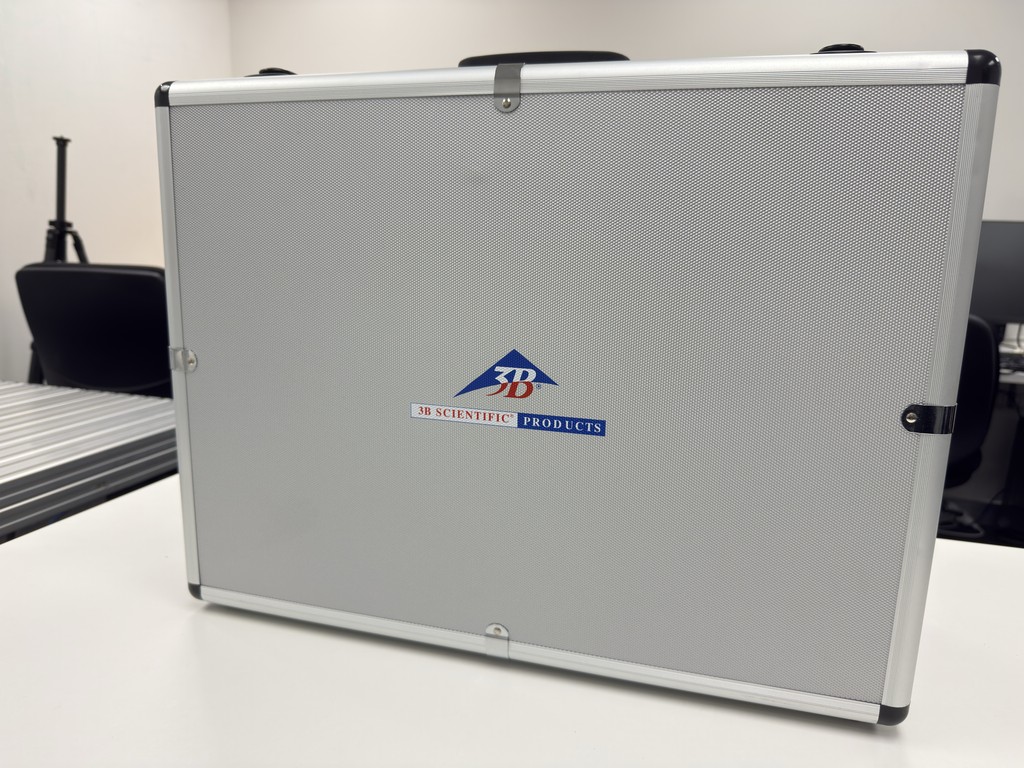
3D Scientific Products

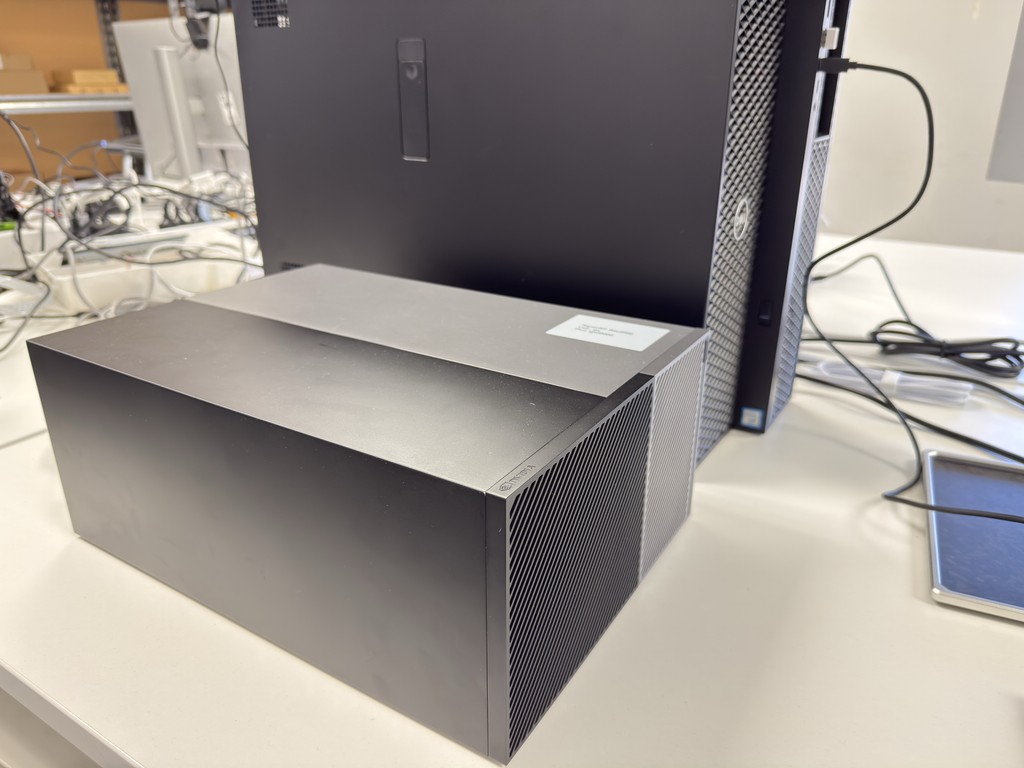
AI PCs

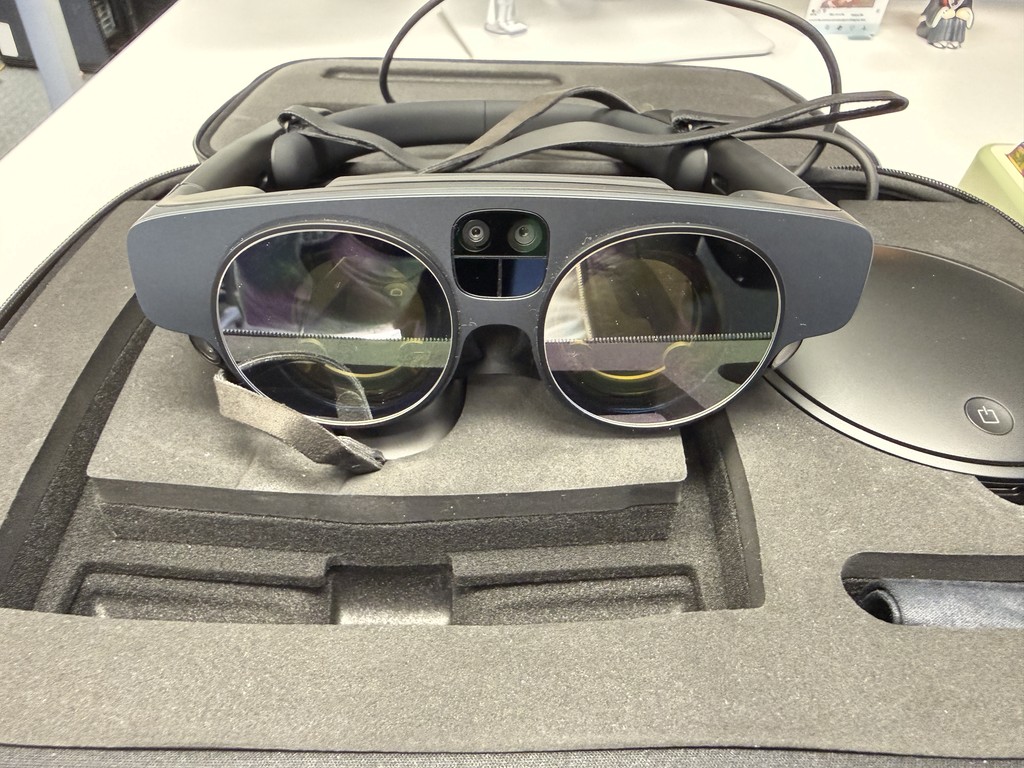
Magic Leap

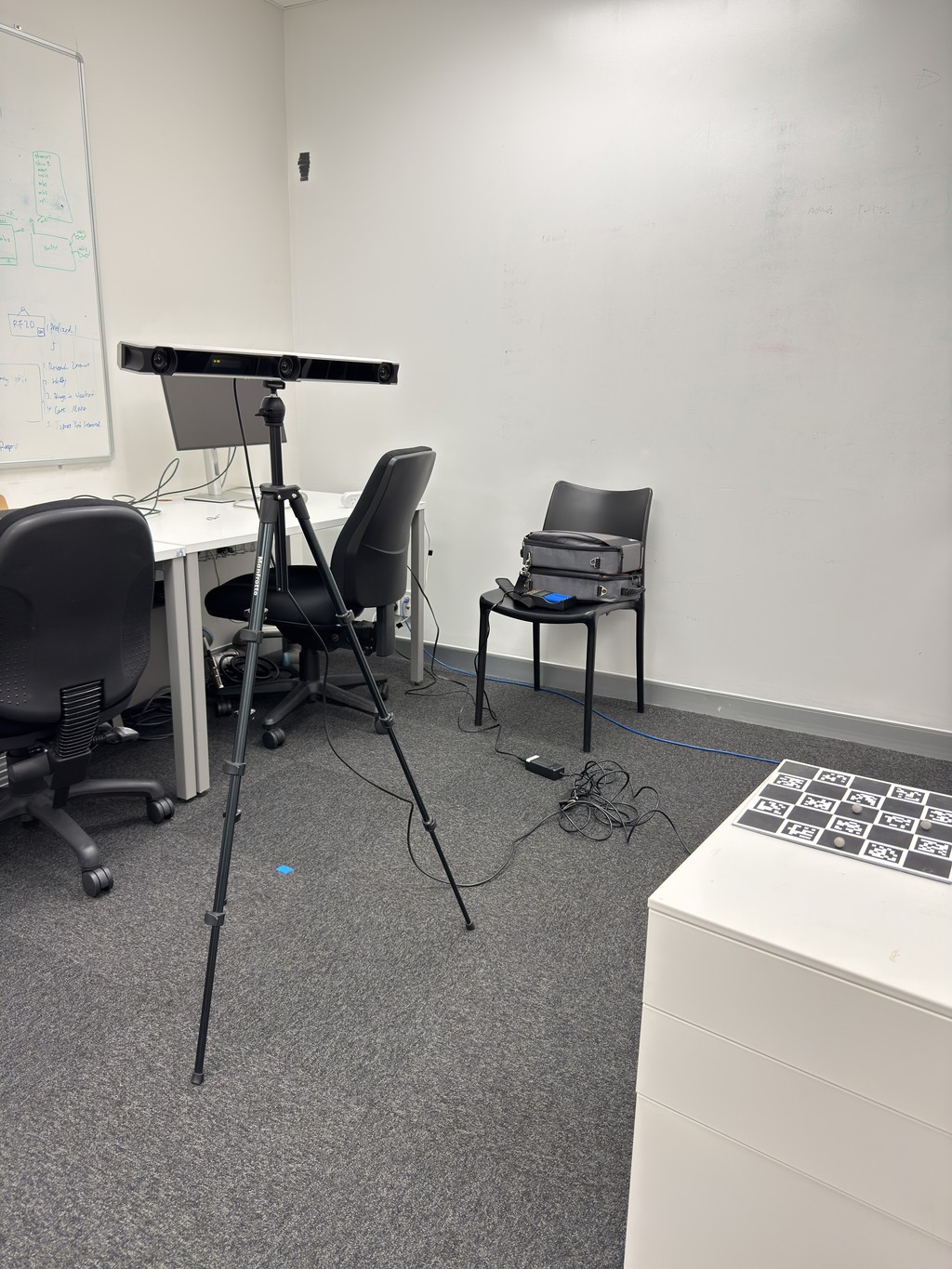
OptiTrack Trio 3

Robotic Arm

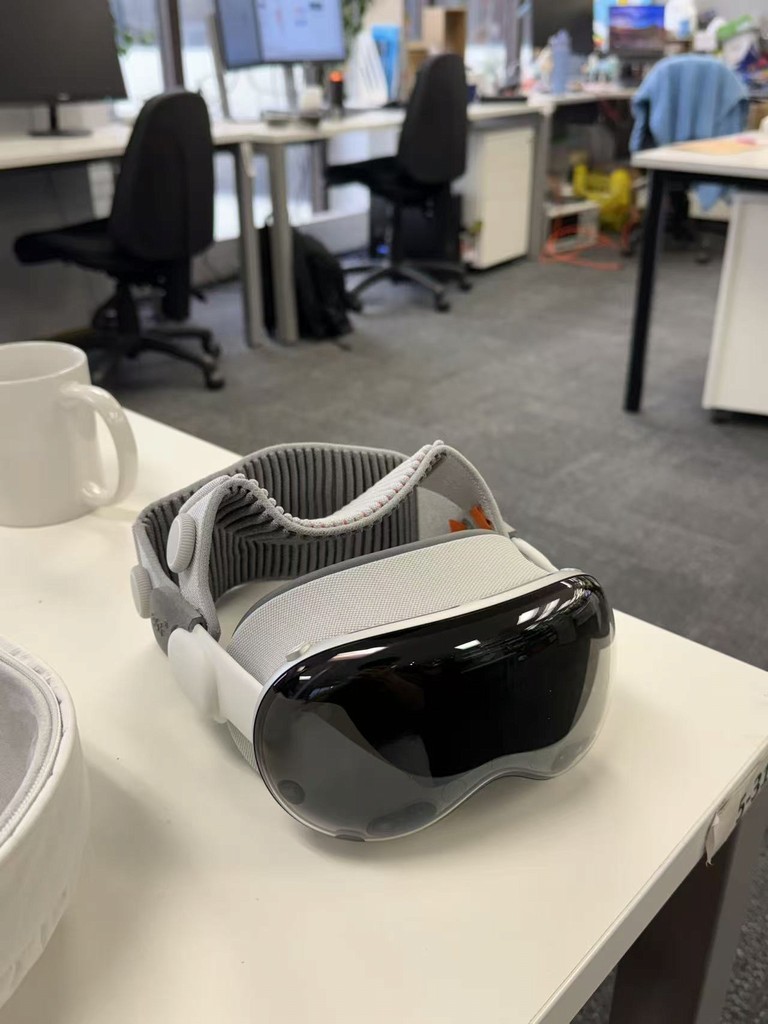
Apple Vision Pro

Created by Holographic Intelligence Group 2025

Created by Holographic Intelligence Group 2025

Created by Holographic Intelligence Group 2025